Hardwick Airfield and Museum - John Bilcliffe. |
Hardwick Airfield and Museum:
Soon after my initial move to the Norfolk area, it soon became apparent that the area and its geographical position had made it the perfect place to build airfields, and not only for the first and second world wars but also for the Cold War era.
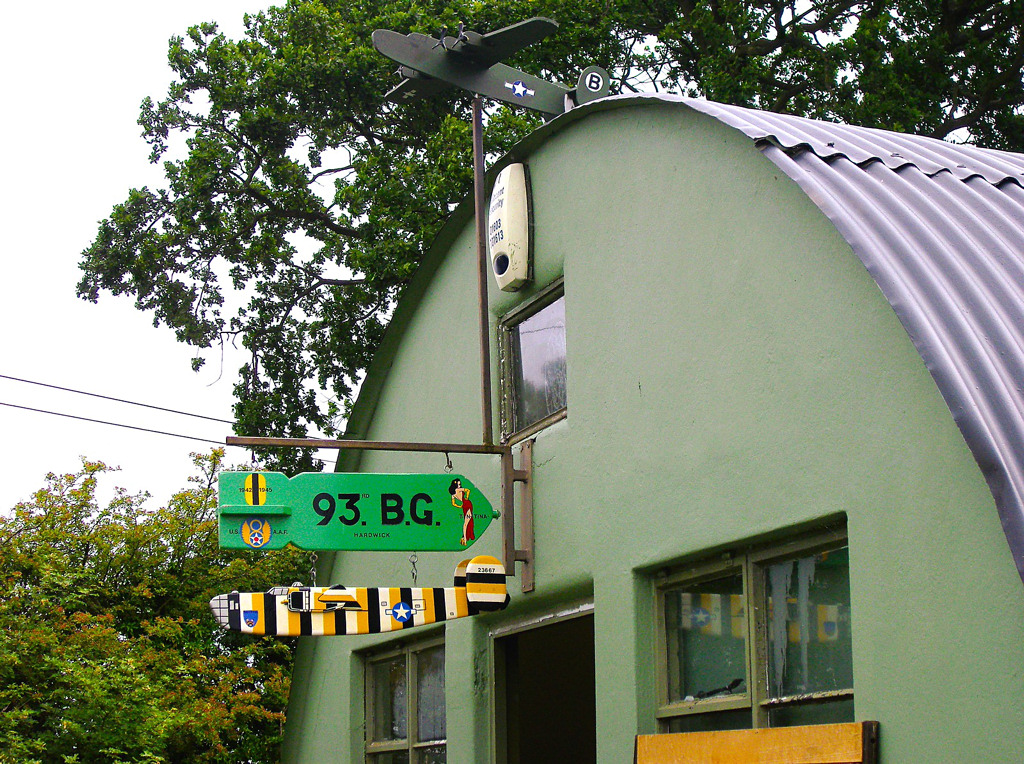
I visited a museum and memorial at the old site known once as "Station 104" at Hardwick which was once the home of the 93rd Bomb Group, part of the Eighth Air Force. The airfield site was originally built in 1941 and was intended for use by the RAF but in 1942, when the build was completed, the 93rd Bomb Group arrived at the site in December of that year with the large four engined B24 Liberator bombers. The 93rdBG also known as "Teds Travelling Circus", as they had fought in the Mediterranean theatre as well as taking part in the European conflict, were under the command of Colonel Ted Timberlake. We owe so much to the Americans and their help, the 93rd were the first group to have completed 300 missions, losing 100 of their own aircraft, with overall losses of over 26,000 airman during their time over Europe.
During the war, the airmen had taken part in some harrowing, daring and very dangerous raids, with the attack on the Ploiesti oil fields probably being at or near the top of that list. The group were sent to North Africa and there they trained for low level bombing and on the 1st August 1943 along with the 44th, 98th, 376th and 389th bomb groups totaling 177 aircraft, they set out to attack the target oil fields in Romania. Of the 37 B24s from the 93rd BG, 32 reached the target with 11 losses over the refinery site.
Having flown more missions than any other group in the USAAF during World War 2, picking up along the way two distinguished citations for outstanding performance in battle, it seems a fitting tribute to honour and not forget their bravery.
The last mission flown by the group on the 25th April 1945 ended their war days here in Norfolk, England and it was soon after in May and June they would return home to the USA, with the ground and maintenance crews going home in style on the Queen Mary.
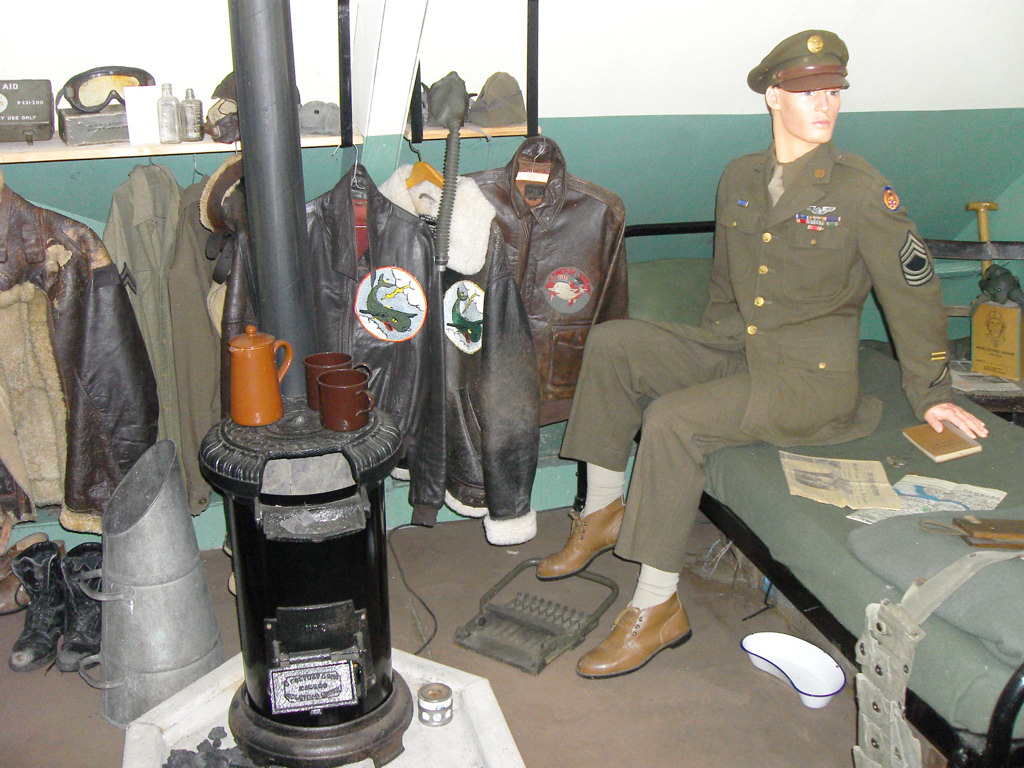
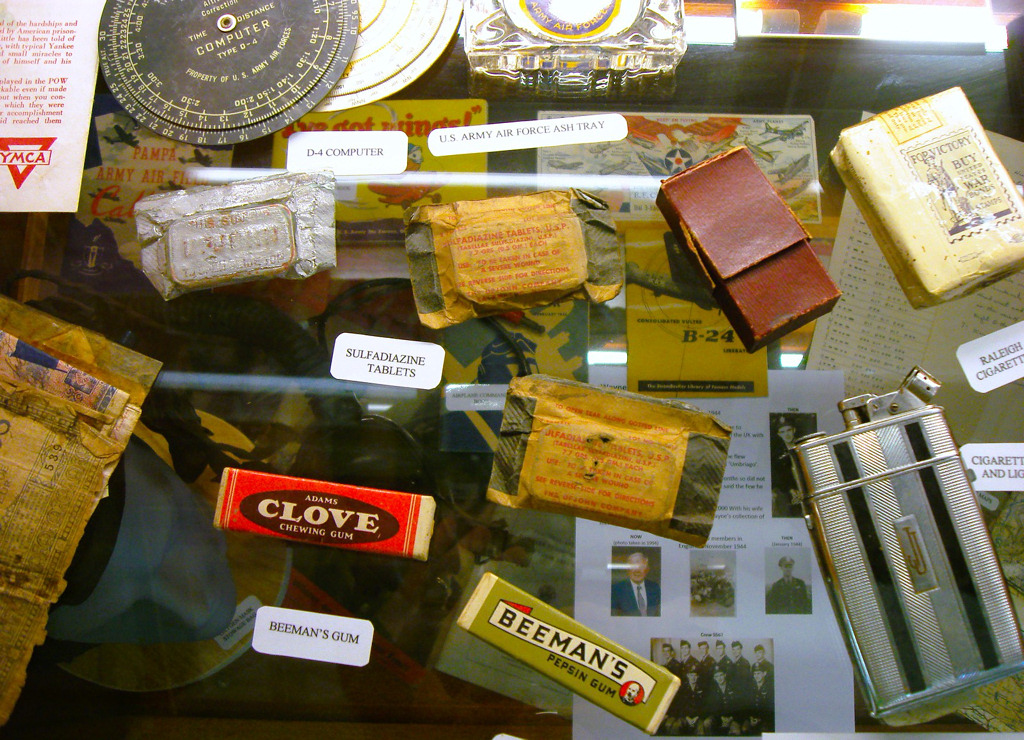
The little museum at Hardwick airfield, near the village of Topcroft in Norfolk, UK opened in 1991 and most of its artefacts are housed in the old billets once occupied by the crews of the 329th Bomb Squadron (93rd Bomb Group).
Hardwick Airfield Open Day
I visited the site on one of their open days, held every third Sunday of each month between April and September, just after my move to the area, in 2006.
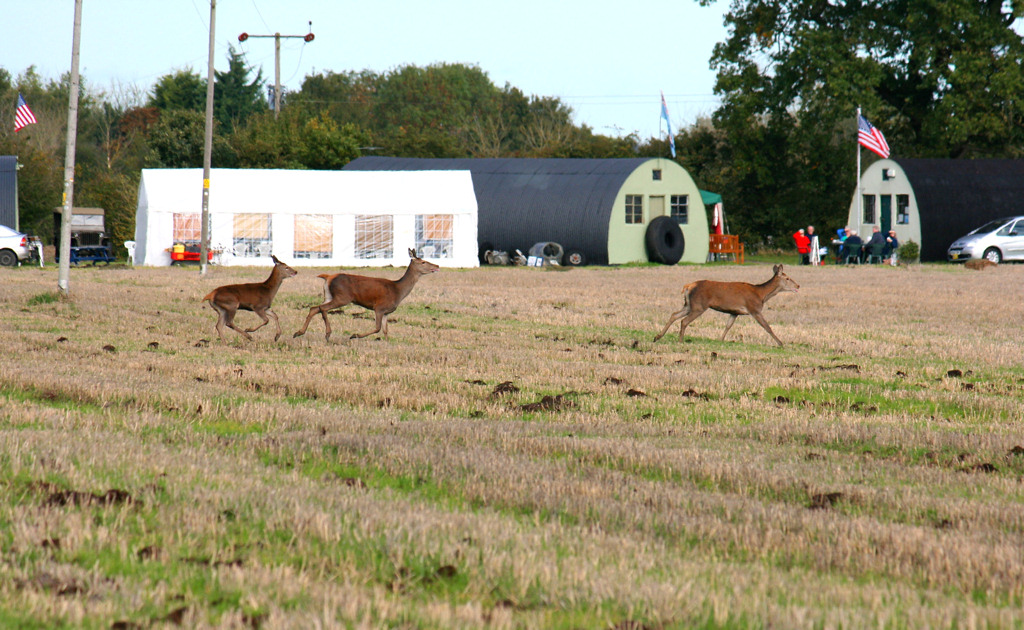
Apart from the memorabilia, second-hand books and home made cakes and tea, there is a genuine air of the past around the place that is difficult to explain in words, except to say once you have turned off the small tarmac road that leads you there and you enter through the small wrought iron gate, driving up the long track leading you, a time shift seems to take place and the many uniformed re-enactors look like they have been left behind to help out.
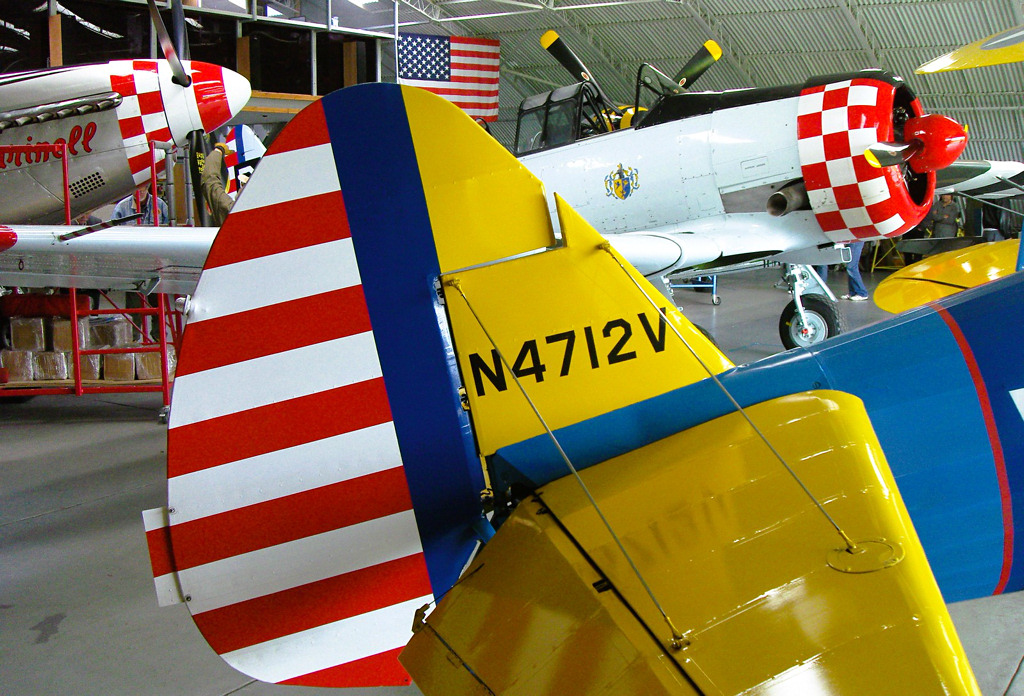
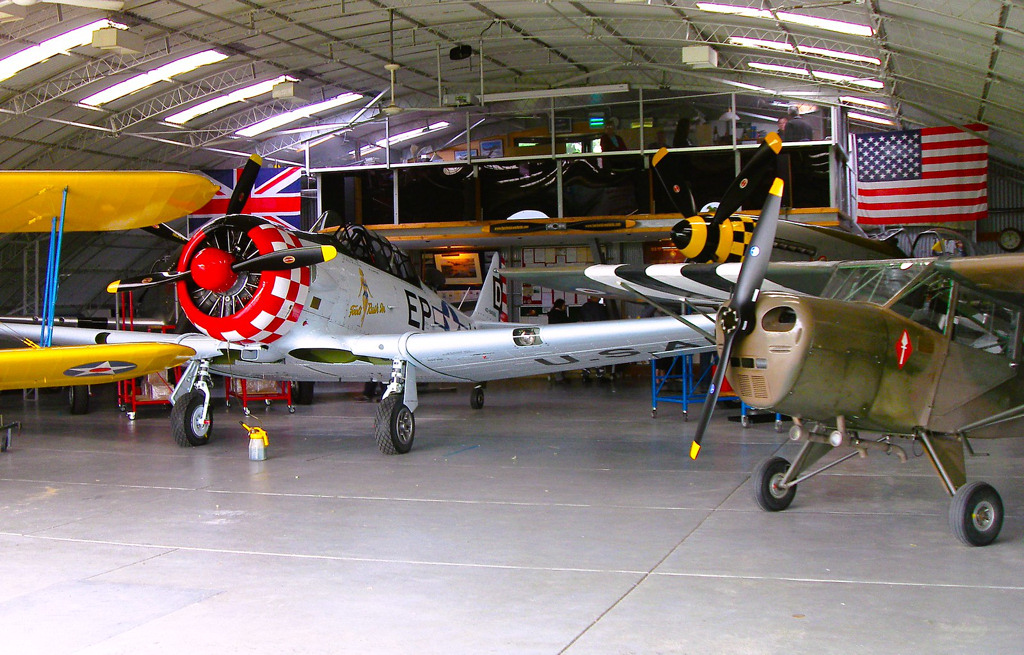
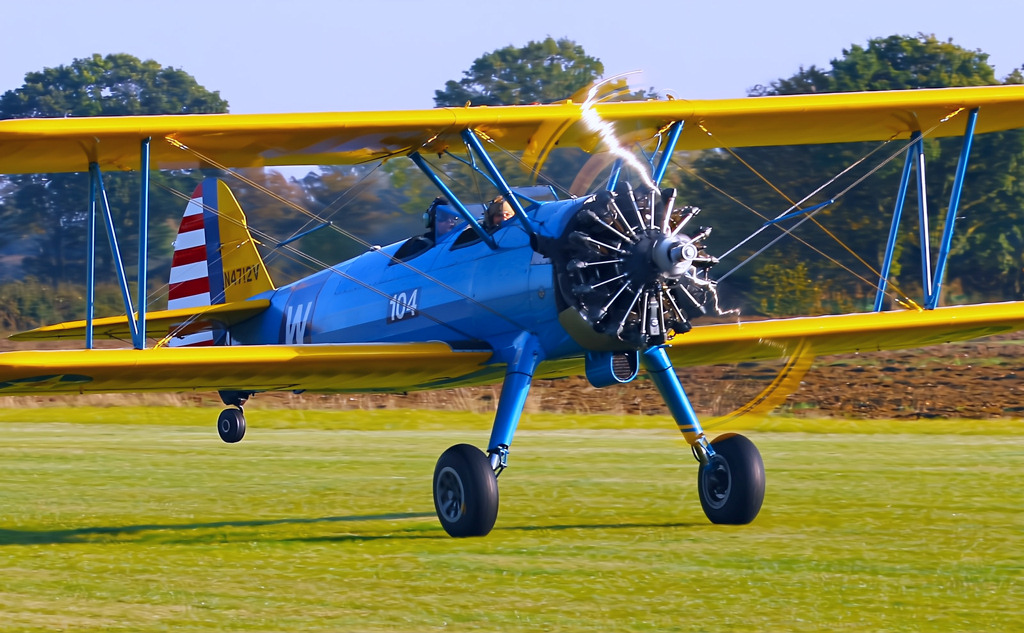
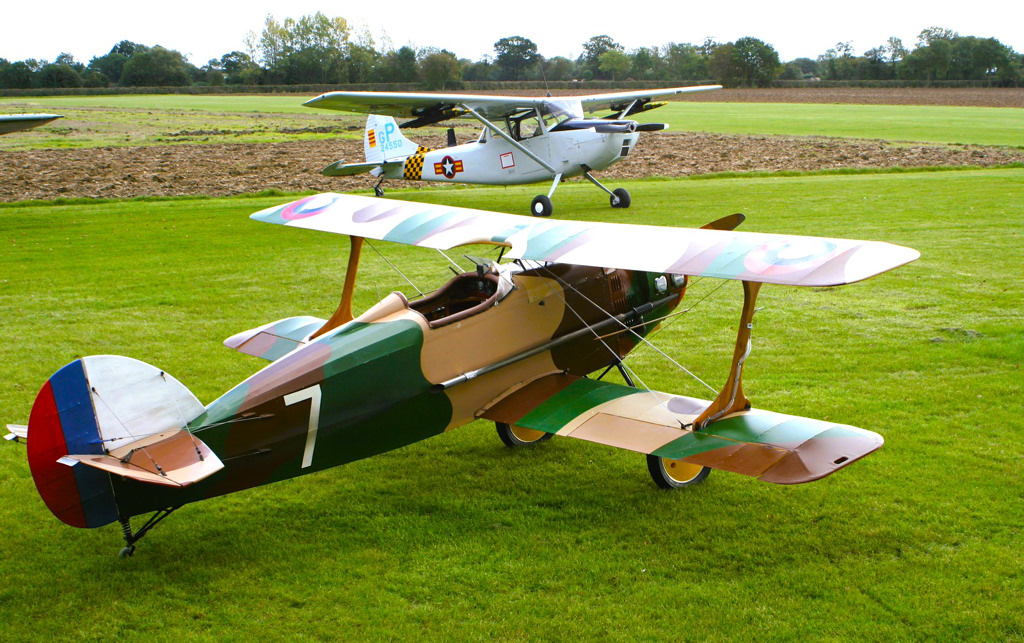
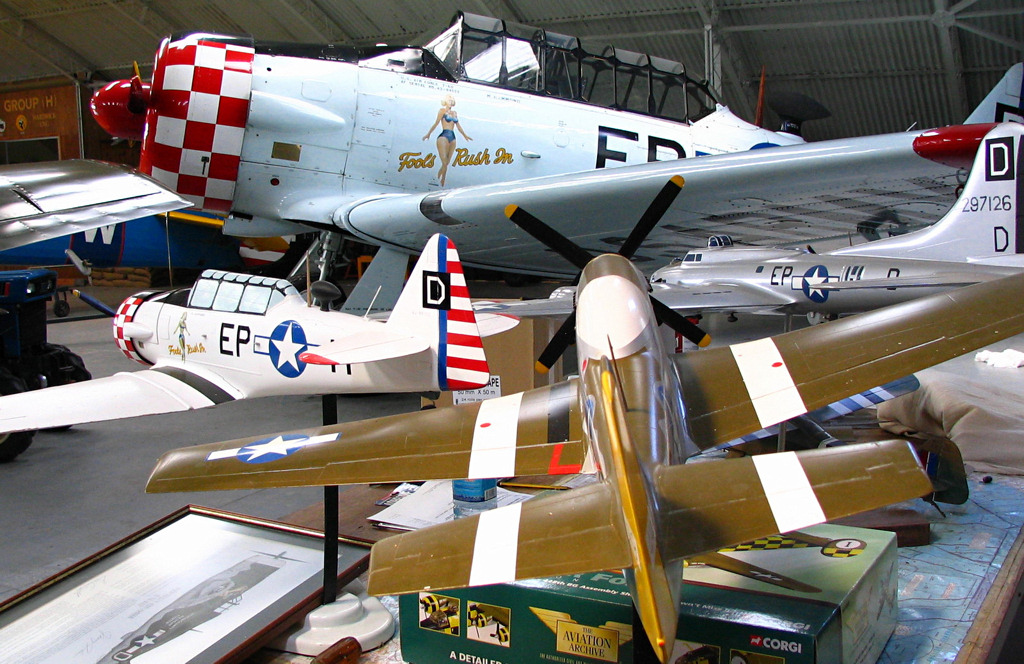
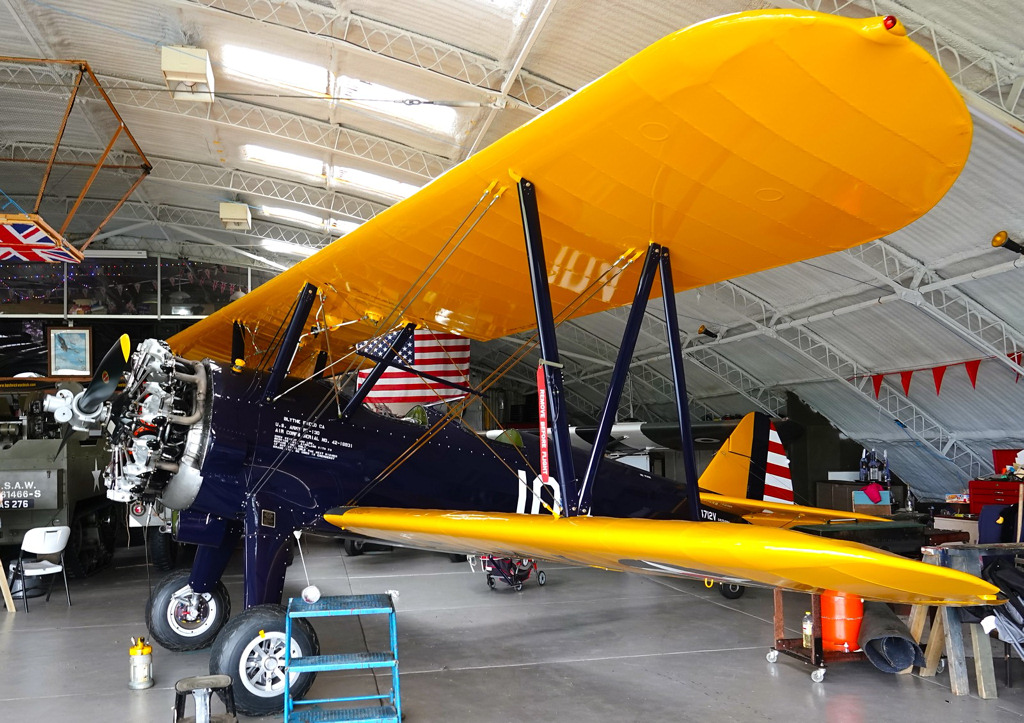
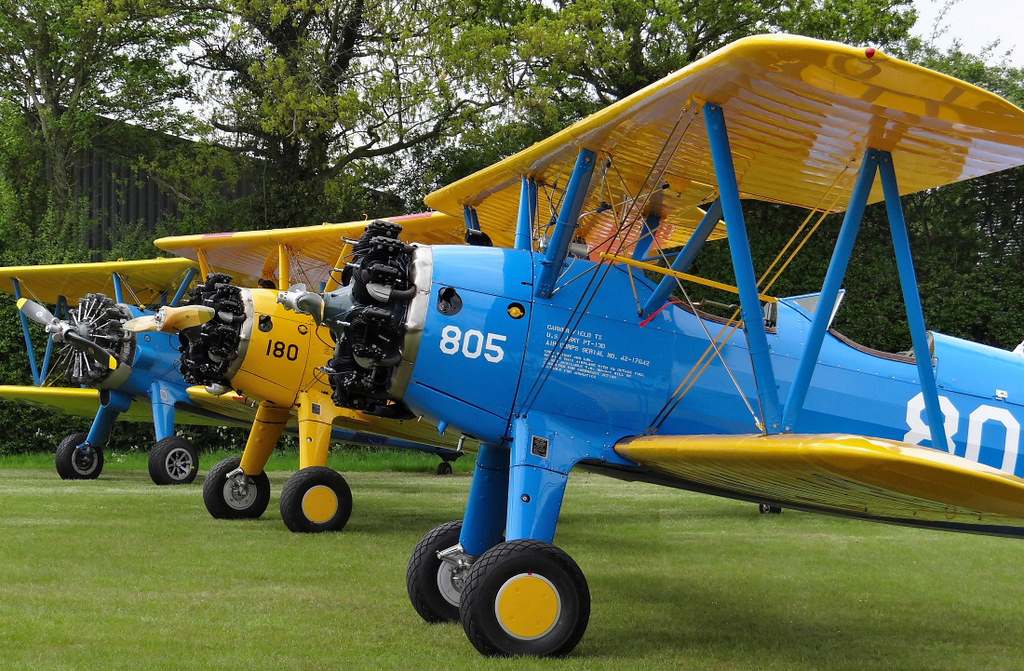
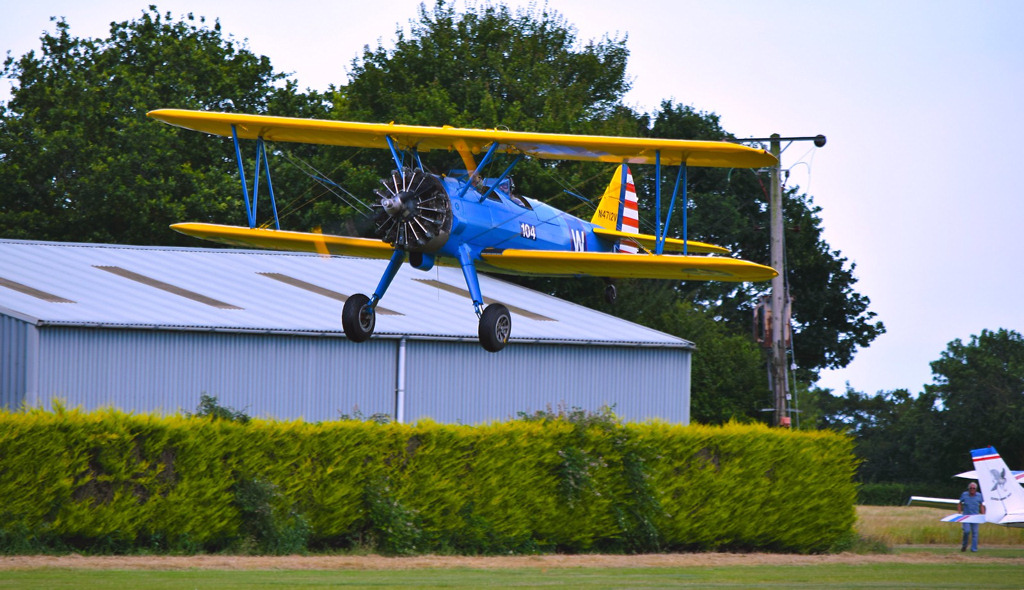
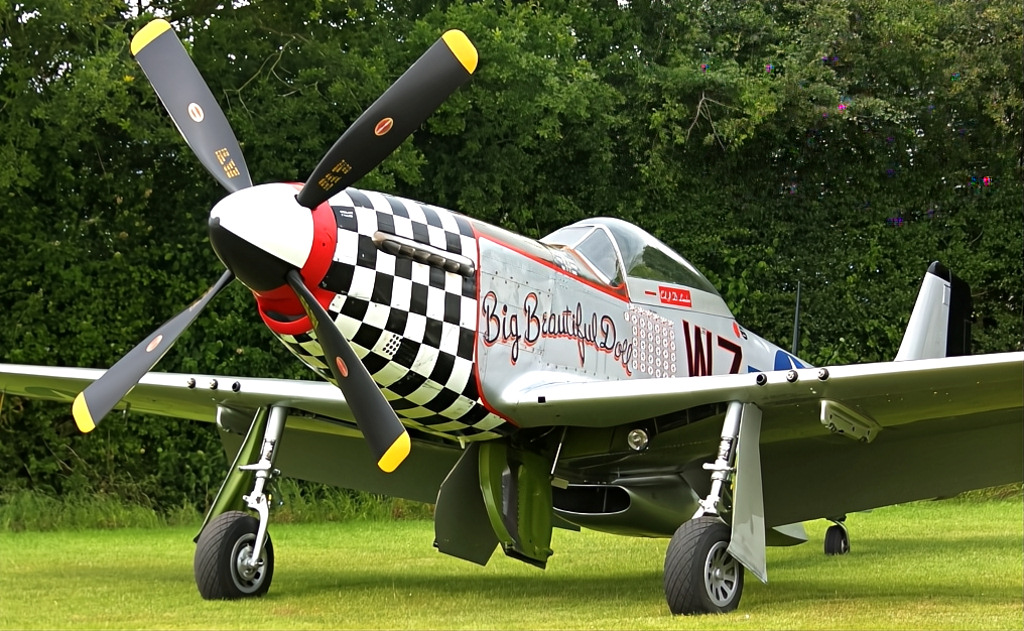
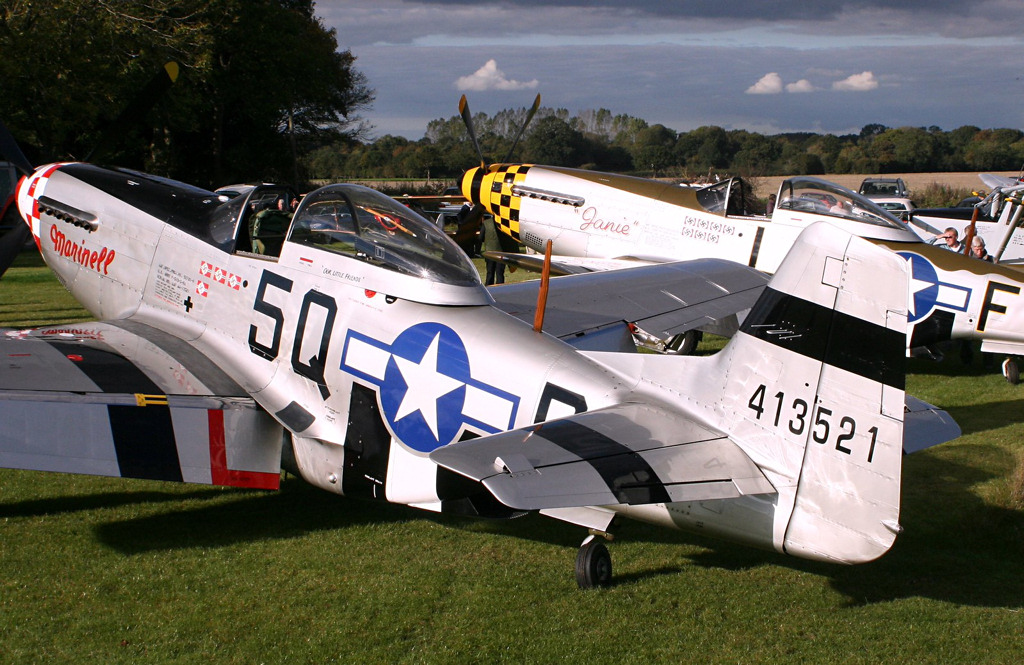
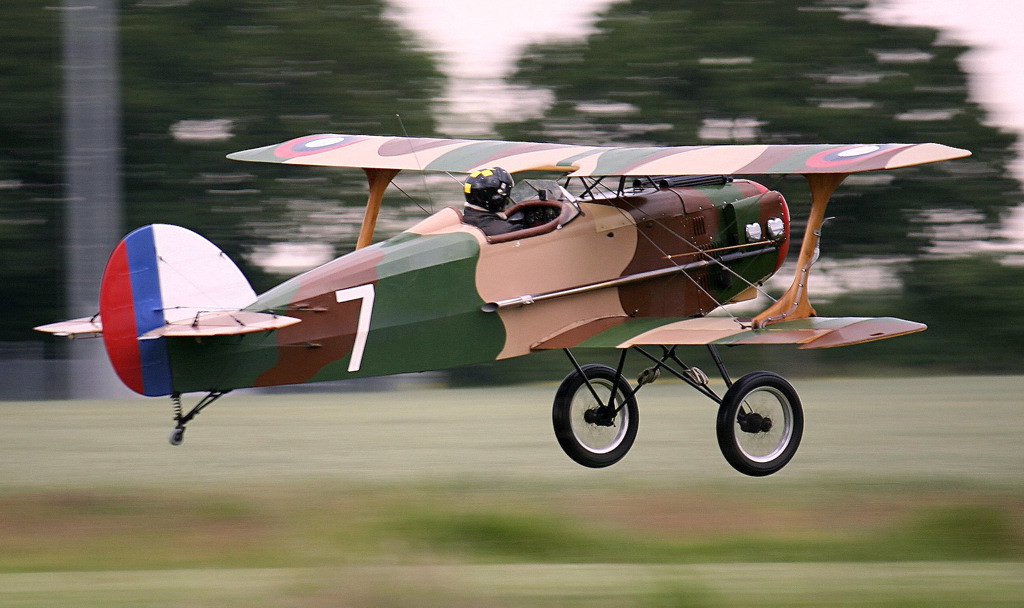
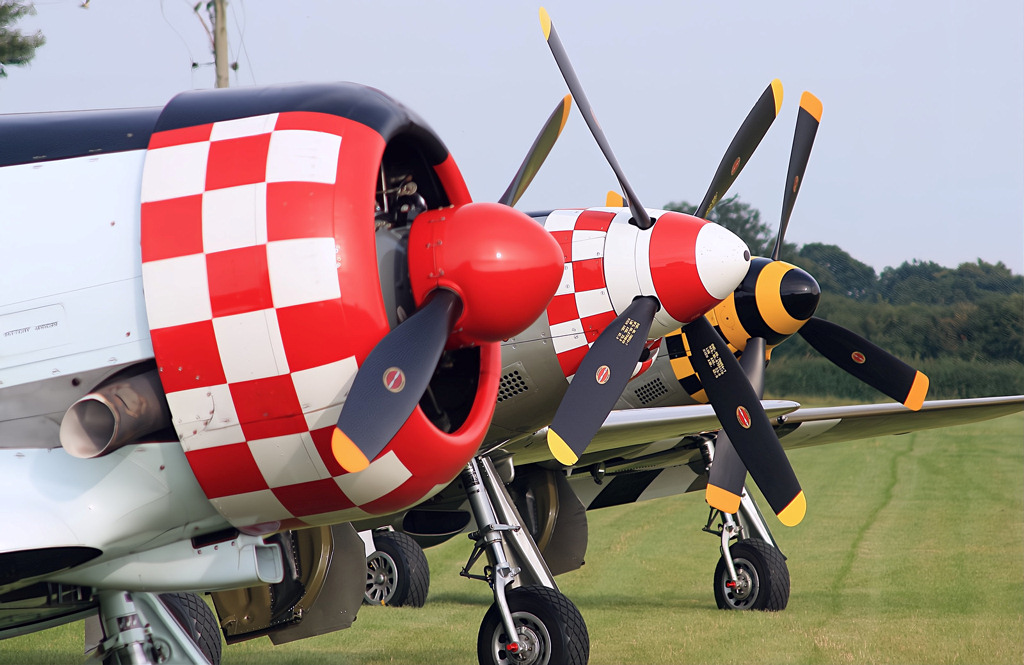
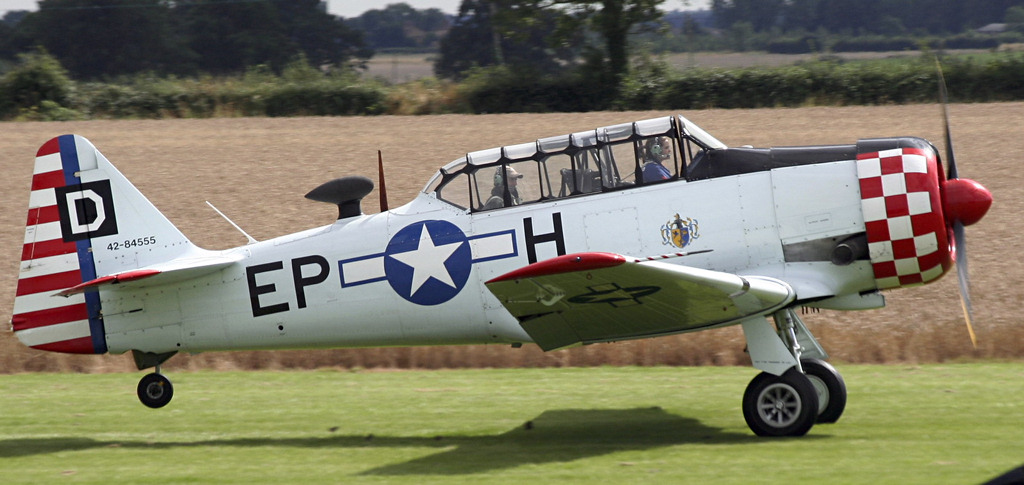
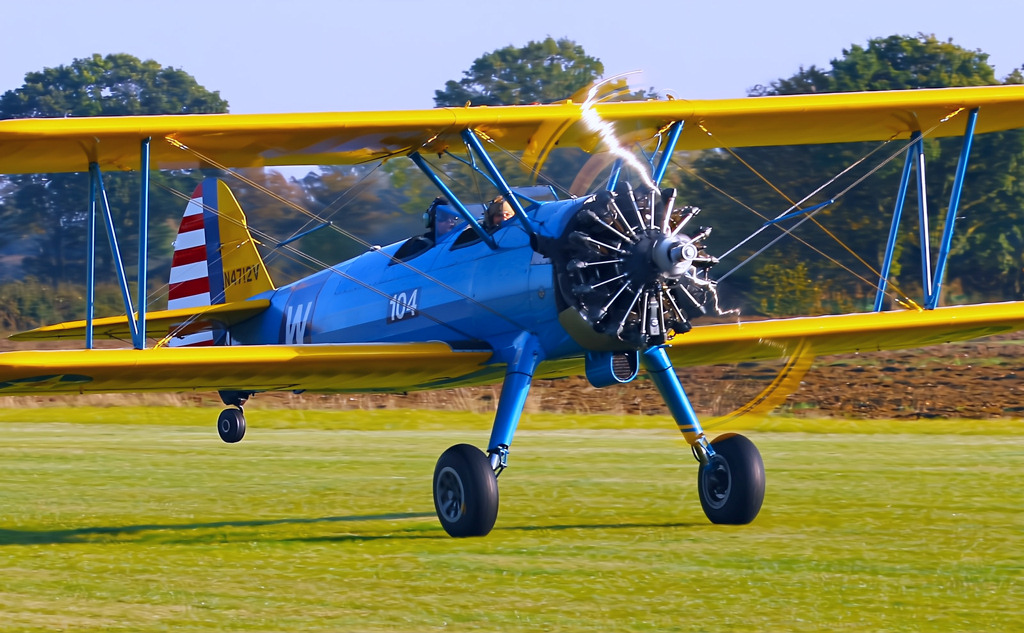
I wasn't at first aware that their were any aircraft on the site, until the curator of the museum, Paul Thrower, informed me. A soft spoken chap with an encyclopaedic knowledge of the 93rd Bomb groups activities, Mr Thrower is only too eager to share his knowledge, let you photograph anything around and generally point out things that might be of interest to yourself. As he noticed me with a camera, he pointed me up a long track to where the Mustangs and other visiting aircraft were parked. Some days when you are out spotting /photographing you dream of days like this, a lovely Spring light with really pleasant and interesting surroundings such as nice landscape with lush green trees and some of the original buildings scattered around, just to add that final touch of authenticity.
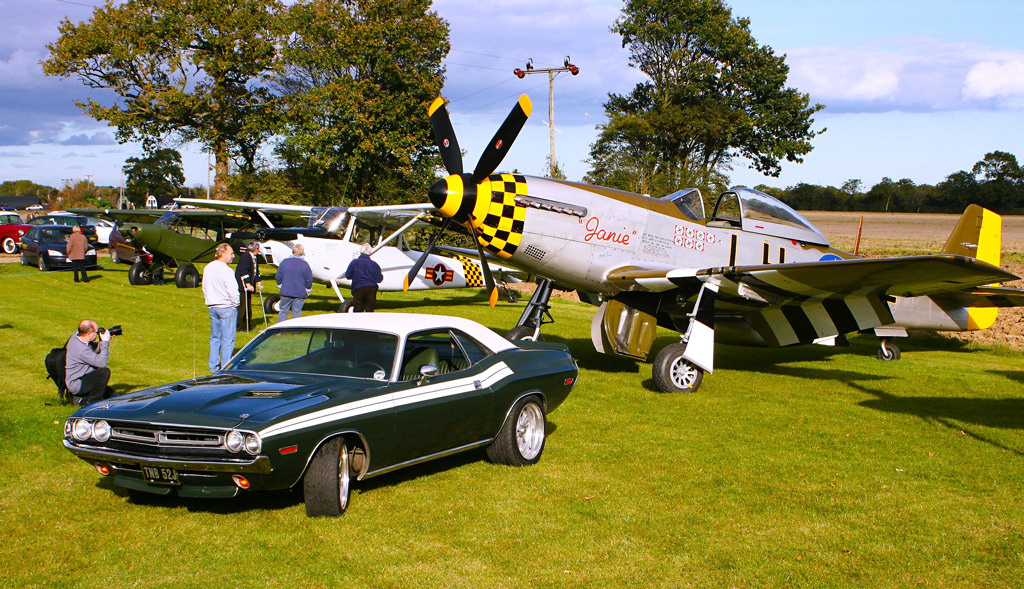
Not only did this event attract the aviation fraternity but also the classic cars and trucks, and motor bikers are all welcomed warmly.
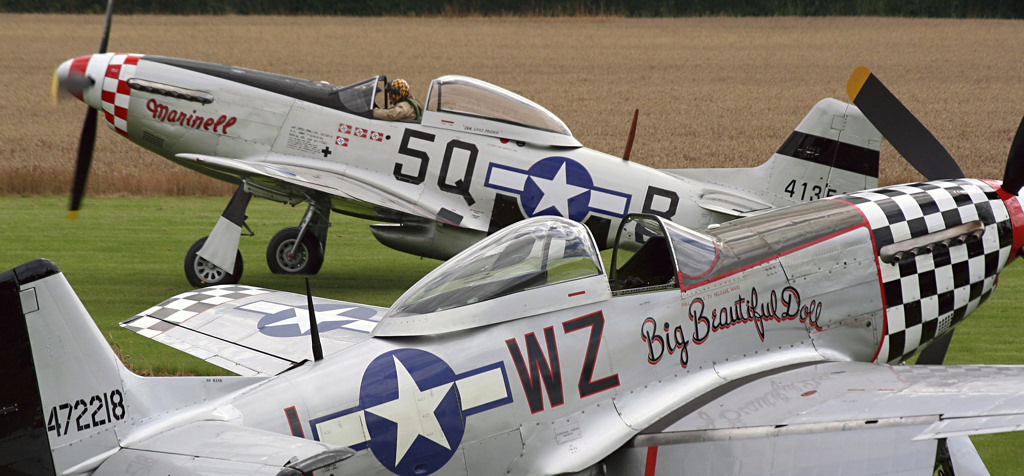
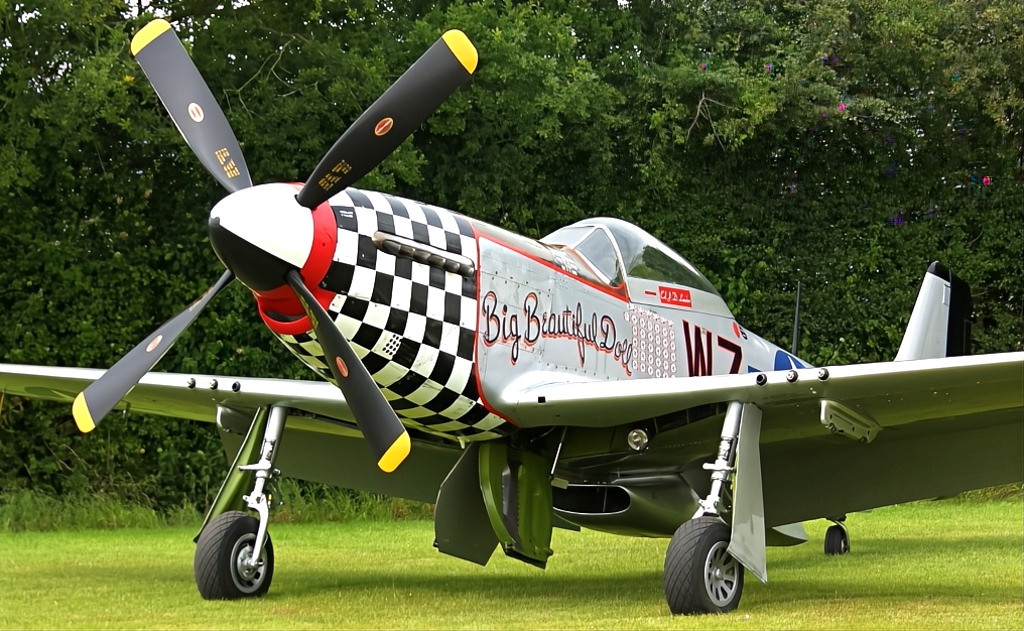
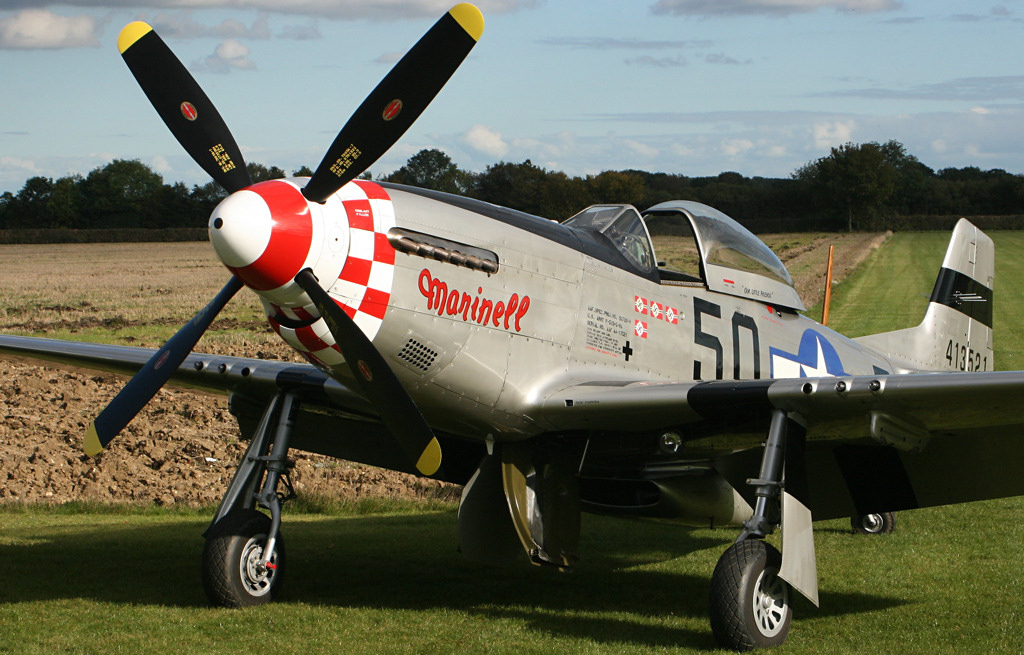
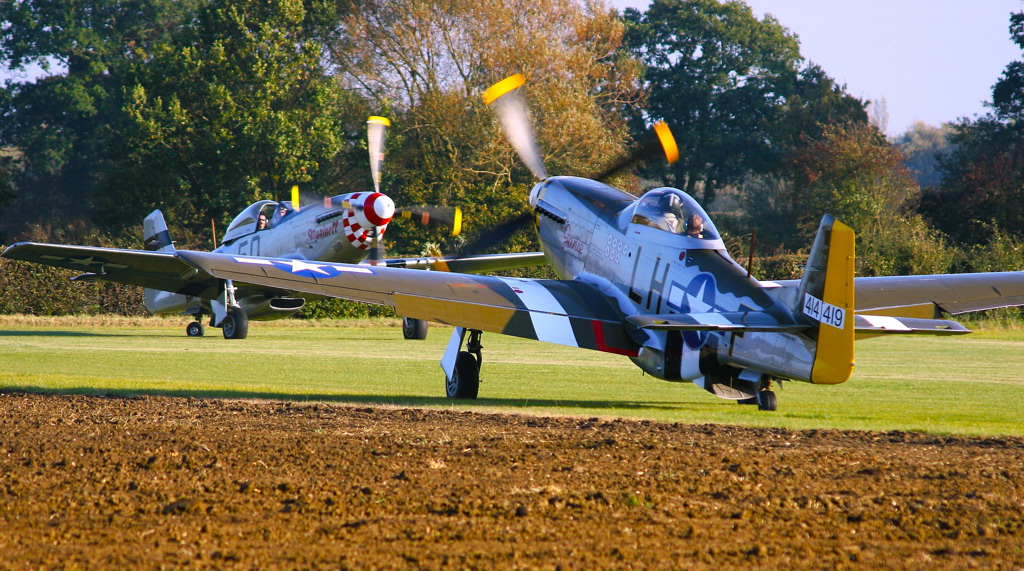
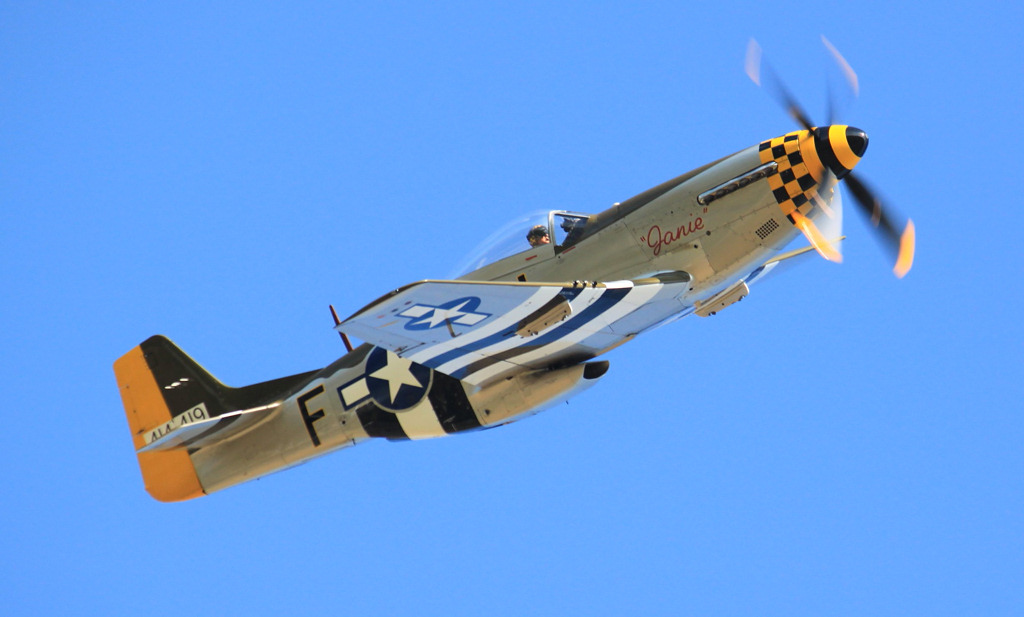
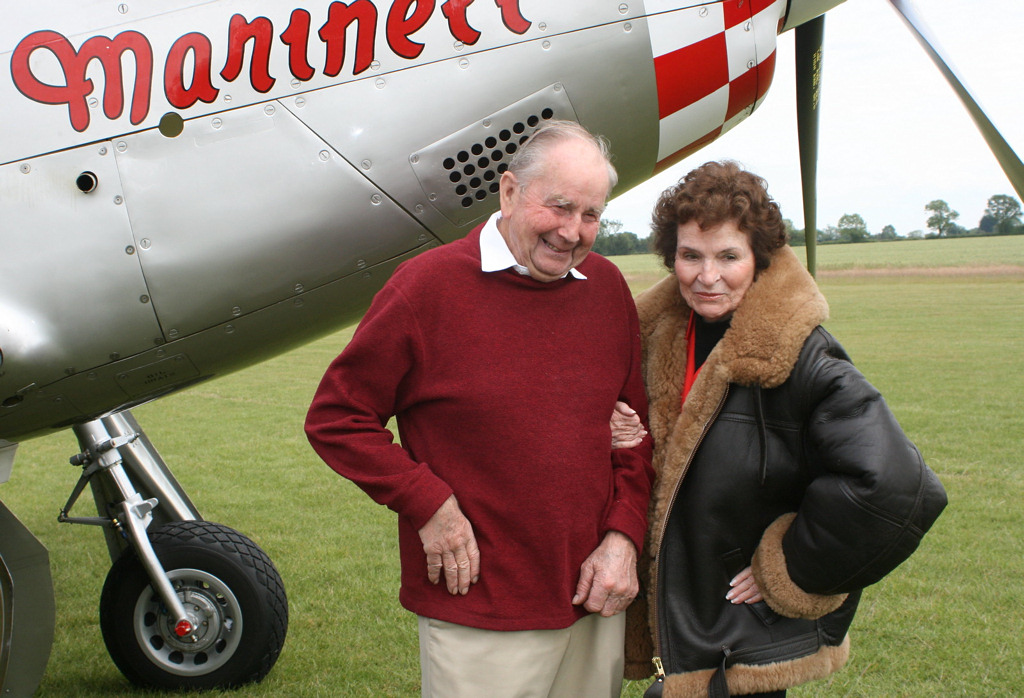
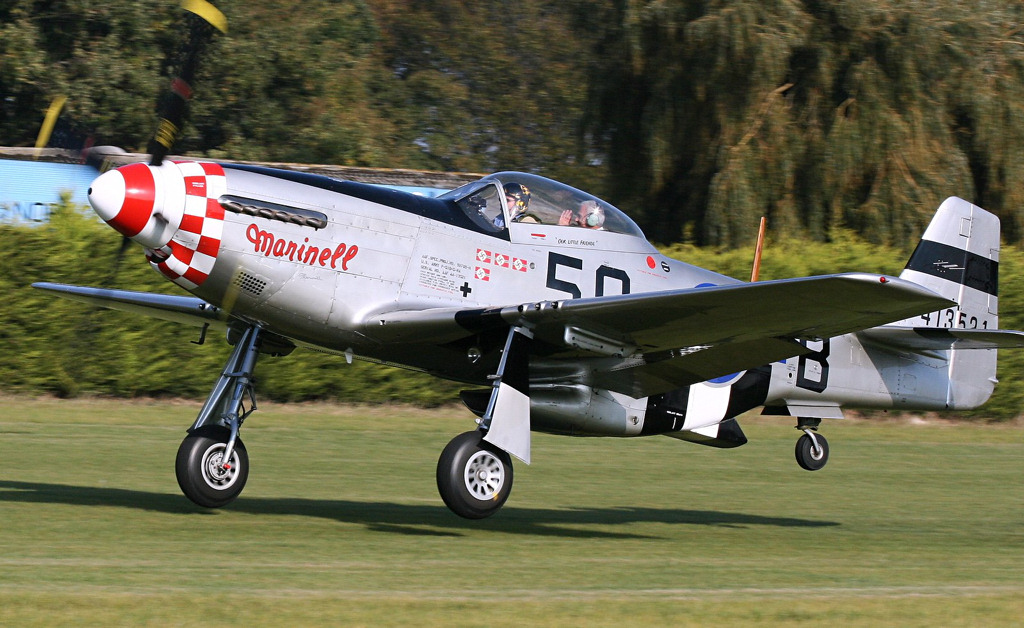
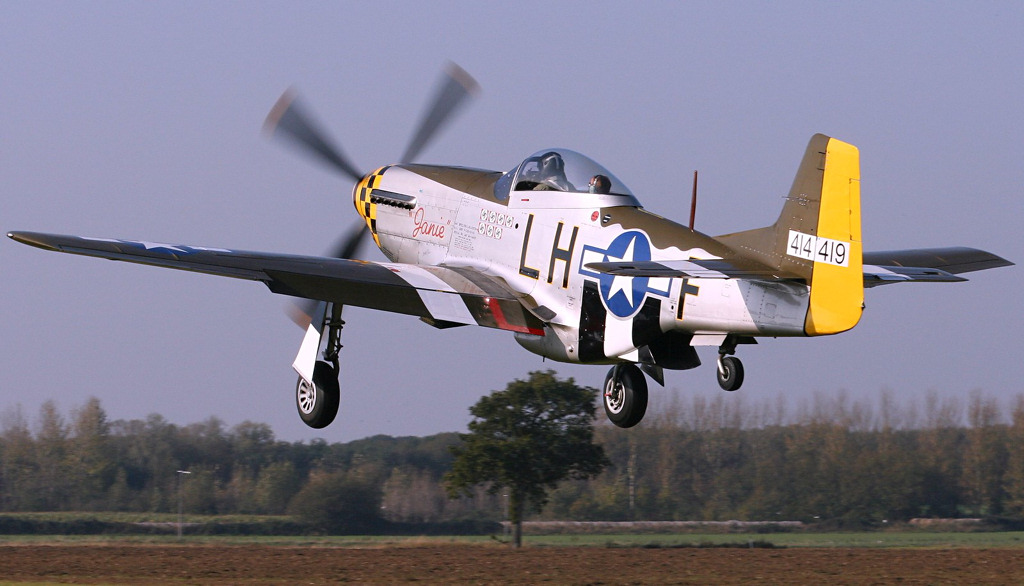
The Mustangs "Janie"(G-MSTG)' & "Marinell"(G-MRLL) at Hardwick were restored to the colours and markings of their last operational unit.
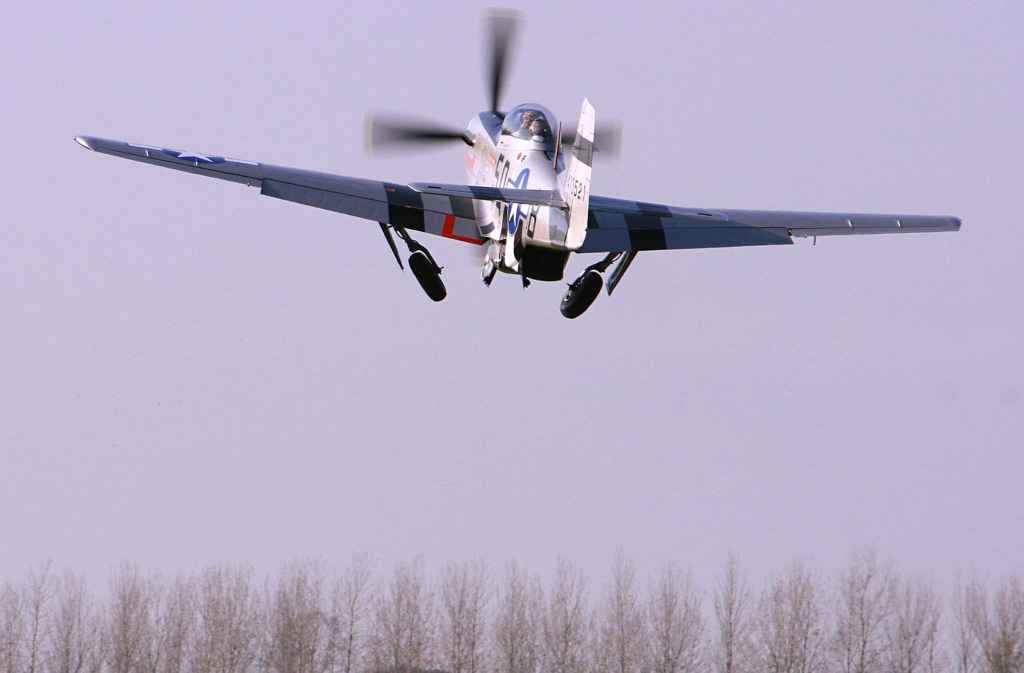
In the case of P-51D Mustang "Janie", the frame was acquired in 1997 and a four and a half year total rebuild was undertaken to return the aircraft to the air in 2001. Repainted in the markings of an aircraft from 350Sqn, of the 353rd Fg(Fighter Group), flown by Major Bill Price based at Raydon.
P-51D Mustang "Marinell" was acquired in 1998 from a scrapyard in France and was returned to flight in July of 2008, having last flown in 1944. Little knowledge of the aircrafts history is available but it is painted in the markings of an aircraft that flew with the 504 Sqn, 339 Fighter Group by a Second Lieutenant Myer R Winkleman.
I had wanted to finish this little insight into the wonderful world of the highly cared for flying machines so lovingly and painfully restored to flying condition by the likes of Maurice Hammond and his team at the "Hardwick Warbirds" site on a happy note, along the lines of "and the rest is history".
Sadly the fates of our destiny are in the lap of the Gods and at the time of writing this in October 2016, Maurice crash landed his Mustang P-51D "Janie" at Hardwick, with one passenger fatality and himself being badly injured. This unfortunate accident also occurred on the same day as his other prized restoration Mustang P-51D "Marinell" was sold and took off from the site on the same day.
To this moment the unfortunate accident had shocked a lot of people including me and the small ray of light that can be gleaned from this is that Maurice is recovering slowly from some very serious injuries. The shock waves are still being felt about this incident and the one momentary sad result bares no significance to the high standard Maurice had operated to, in taking hundreds of paying passengers for flights of a lifetime and all the ones I saw exiting the Mustangs were all beaming from ear to ear.
Until this moment in 2026 and some 10 years since the accident in 2016, reverberations and sad memories still abound in the locality till the present day. Thankfully Maurice made a very slow but full recovery.
More details about Hardwick Airfield and Museum including one of their Open Days can be found
here.
John Bilcliffe.